

Is Ritual Coffee Worth It? A Honest Review
Table of Contents
- What Makes Ritual Coffee Different From Supermarket Coffee
- Ritual Coffee Taste and Flavor Profile
- Ritual Coffee Price and Value Comparison
- Ritual Coffee Roasters Review: Quality and Freshness
- The Ritual Experience: Beyond the Cup
- Is Ritual Coffee Worth It? The Verdict
- Conclusion
- Frequently Asked Questions
Last Updated: October 5, 2026
What Makes Ritual Coffee Different From Supermarket Coffee
Specialty coffee differs from supermarket blends in freshness, sourcing, and intentionality, and whether ritual coffee worth it depends on what you value in your morning cup. Supermarket coffee sits on shelves for months, losing volatile flavor compounds.
Buying ritual coffee from a specialty roaster means beans selected for origin story and flavor potential, with roast styles tailored to highlight specific characteristics rather than mask inconsistencies.
The ritual aspect matters too: specialty coffee invites you to slow down, notice the aroma, and experience each sip.
Ritual Coffee Taste and Flavor Profile
Specialty coffee delivers flavor experiences you won't find in mass-produced blends. The tasting notes, fruity, sweet, earthy, floral, describe what you'll actually taste when the coffee is fresh and brewed properly.
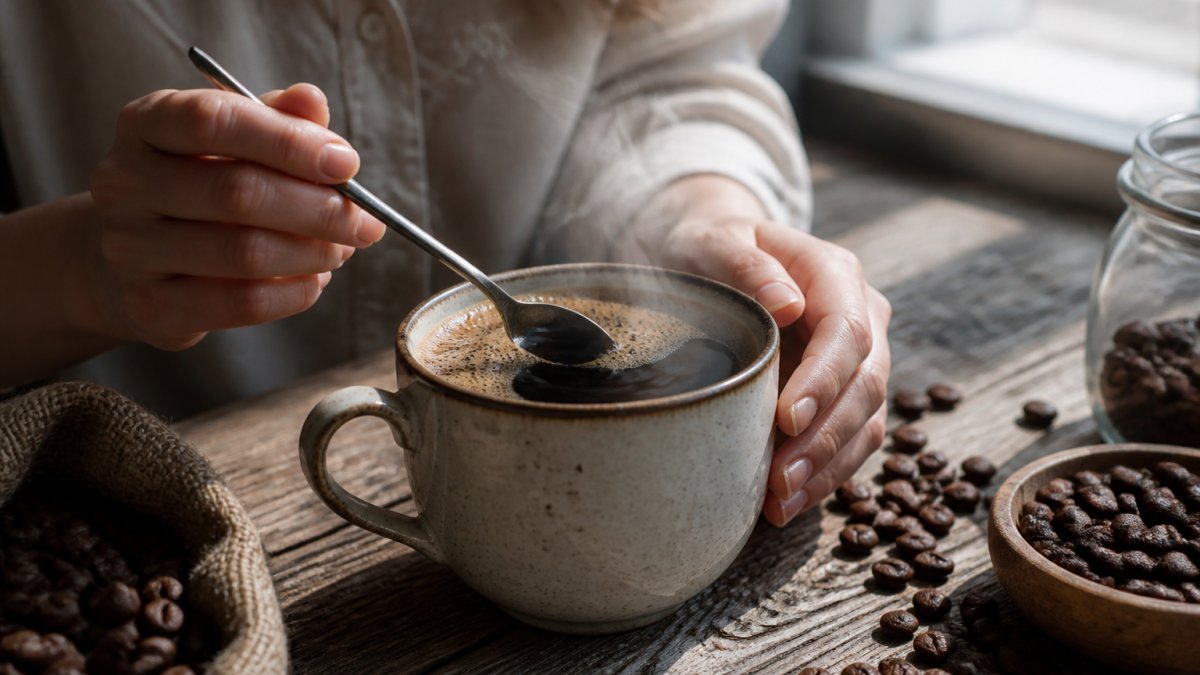
Single-Origin vs Blend Options
Single-origin coffees come from one region or farm, letting you taste the terroir, soil, altitude, and climate. A Peru single-origin from Genevieve's Secret Grimoire Brew delivers salted caramel, silky sweetness, and citrus notes, sourced from Cooperativa Agricola de Servicios Norandino at 1,100-1,700 meters altitude.
Blends combine beans from multiple origins for a balanced cup. The 6Bean Blend works well for espresso, while the Cowboy Blend balances dark and medium roasts with cocoa, caramel, and vanilla tones.
Many drinkers start with approachable blends, then move to single-origins once they develop flavor preferences, there's no hierarchy.
Roast Styles and Brewing Methods
Roast style dramatically changes flavor. Light roasts preserve origin characteristics, highlighting acidity and fruit. Medium roasts balance origin flavor with roasted body, creating smooth cups with caramel and chocolate undertones.
Your brewing method matters as much as the roast. Pour-over extracts brighter, delicate flavors; espresso pulls concentrated shots highlighting body and sweetness; French press produces fuller body with more oils; cold brew creates smooth, sweet cups with lower acidity.
Ritual Coffee Price and Value Comparison
Specialty coffee costs more upfront: a bag of Genevieve's Secret Grimoire Brew single-origin coffee runs $23.99 for 12 ounces, while a supermarket bag might cost $6-8 for the same weight.
But the value calculation shifts when you factor in freshness, flavor, and the ritual. A 12-ounce bag yields roughly 15-17 cups, about $1.40-1.60 per cup, versus $5-7 at a specialty café.
The Real Cost Per Cup, Broken Down
Most value comparisons stop at the sticker price. Here's what actually matters:
| Option | Cost Per Cup | Freshness | Flavor Variety | Best For |
|---|---|---|---|---|
| Supermarket coffee | $0.50-0.75 | Poor (weeks to months old) | Limited | Budget-conscious, convenience |
| Generic subscription | $1.20-1.60 | Moderate (weeks old) | Limited | Hands-off ordering |
| Specialty roaster (single bags) | $1.40-1.60 | Excellent (days old) | High | Flavor exploration, ritual focus |
| Specialty sample packs | $2.00-2.50 | Excellent (days old) | Very high | Discovery, trying before committing |
The gap between a generic subscription and a specialty roaster is smaller than most assume, often just 20-40 cents per cup. Sample packs cost more per cup but replace the risk of buying a full bag you don't like. Supermarket coffee is cheap per cup, but you're paying for stale beans that need more coffee per brew to taste like anything.
Shipping, Subscriptions, and Cancellation Terms
Shipping is the hidden variable in most coffee value calculations. Genevieve's Secret Grimoire Brew ships fresh-roasted beans within days, with costs varying by order size and destination.
Subscription economics matter too. The trade-off is commitment: check whether you can pause, skip, or cancel without penalties.
Sample Packs: The Lowest-Risk Entry Point
The sample packs from Genevieve's Secret Grimoire Brew offer another angle on value. The Best Sellers Sample Pack ($24.99) includes six 2-ounce packs, 6Bean Blend, Cowboy Blend, Breakfast Blend, Peru, Mexico, and Bali, roughly 12 cups at about $2 per cup, plus the chance to discover your preferences before committing to full bags. The Single Origin Favorites Sample Pack ($24.99) offers Brazil Santos, Colombia, Costa Rica, Ethiopia, Honduras, and Tanzania.

Compare this to a coffee subscription costing $15-20 monthly for pre-selected, often mediocre blends, you're paying for convenience, not quality. With Genevieve's Secret Grimoire Brew, you're paying for freshness, intentional sourcing, and flavor you can taste.
Who Should Pay the Premium, and Who Shouldn't
The honest answer is that ritual coffee isn't worth it for everyone.
It's probably not worth it if you drown your coffee in flavored syrup, drink one cup a week, or have a genuinely tight budget. A $6 supermarket bag and a drip machine will get the job done, a valid choice.
The middle ground is the sample pack: spend $24.99, brew the six coffees with care, and let your palate decide, a cheaper experiment than most nights out.
Ritual Coffee Roasters Review: Quality and Freshness
Genevieve's Secret Grimoire Brew stands out for quality sourcing and small-batch roasting, with coffees roasted fresh and shipped quickly so beans arrive in their prime.
Freshness and Consistency
Freshness is everything in specialty coffee.
Genevieve's Secret Grimoire Brew roasts in small batches and ships within days. The freshness advantage over supermarket coffee (which may be months old) is substantial: brighter aroma, more complex flavor, better body.
Consistency matters too. Genevieve's Secret Grimoire Brew maintains quality standards across batches.
Sourcing and Sustainability
The coffees in Genevieve's Secret Grimoire Brew's lineup come from named growers and cooperatives: Peru from Cooperativa Agricola de Servicios Norandino, Brazil Santos from Fazenda Santa Barbara, and Colombia from smallholder farmers in Medellin. This transparency matters.
You know where your coffee originates, who grew it, and how it was processed. The Peru beans were gully washed and sun-dried; the Brazil Santos was pulped naturally and sun-dried; the Colombia was fully washed and dried in solar dryers. These methods affect flavor and sustainability.
Many specialty roasters source from cooperatives and smallholder farmers rather than large industrial operations, supporting farming communities and often more sustainable practices.
The Ritual Experience: Beyond the Cup
This is where ritual coffee diverges from commodity coffee. The experience begins before you brew, in the anticipation of opening a bag, smelling the aroma, choosing your brewing method for the day.
The aesthetic matters. Genevieve's Secret Grimoire Brew embraces a witchy, apothecary aesthetic that transforms your morning routine into something intentional. Founder Genevieve Weaver designed the shop around the idea that coffee can be a small, magical spell for your day.
This isn't gimmickry. Ritual works because it creates a pause.
How Ritual Coffee Performs at Home
The ritual only works if the coffee tastes good in your kitchen. Here's how Genevieve's Secret Grimoire Brew coffees perform across common brewing methods:
Pour-over (V60, Chemex): Single-origins shine here. The Peru's salted caramel and citrus notes come through clearly, and the Ethiopia's fruity, milk-chocolate profile is best expressed. Use a medium-fine grind and a 1:16 coffee-to-water ratio.
Espresso: The 6Bean Blend was designed for this, pulling a balanced shot with enough body to stand up to milk. The Brazil Santos also works well, its cocoa notes intensify under pressure.
French press: The Cowboy Blend and Bali Blue are standouts, their darker roast profiles hold up to the fuller body and oils a French press extracts.
Cold brew: The Breakfast Blend and Mexico are the most forgiving, their smoother profiles translating well to a 12-16 hour cold steep for a sweet, low-acid concentrate.
Lighter roasts reward precision; darker roasts forgive it. If you're new to brewing, start with the Cowboy Blend or Bali Blue.
Who Should Buy Ritual Coffee, and Who Shouldn't
Ritual coffee is worth it if you fit one or more of these profiles:
- You drink coffee black or with minimal milk and sugar
- You already own a burr grinder and a pour-over, espresso, or French press setup
- You enjoy noticing flavor differences between origins and roasts
- You want your morning coffee to feel like a deliberate practice, not a reflex
- You're willing to spend $1.40-1.60 per cup instead of $0.50-0.75
Ritual coffee is probably not worth it if:
- You primarily drink flavored lattes or heavily sweetened coffee
- You drink one cup a week or less
- You don't want to invest in a grinder or better brewing equipment
- Your budget is genuinely tight and the premium would cause stress
- You're happy with the taste of your current supermarket coffee
There's no shame in any of these. The point of ritual coffee is intentionality, and choosing not to buy it can be just as intentional as choosing to.
The Community Dimension
The community aspect matters too. Specialty coffee roasters often foster a sense of belonging, you're not just a transaction but part of a community that values quality and intention.

Is Ritual Coffee Worth It? The Verdict
The honest answer depends on what you value. If you drink coffee purely for caffeine, specialty coffee isn't worth the premium.
But if you care about flavor, freshness, and the experience of your morning routine, ritual coffee is worth every penny.
Start with a sample pack, the Best Sellers Sample Pack to explore roast styles and blends, or the Single Origin Favorites Sample Pack to taste how geography shapes flavor.
For many people, the answer is yes. Superior flavor, freshness, intentional sourcing, and the pause ritual creates justify the cost.
For others, the price premium feels unnecessary. That's valid too.
What matters is making an informed choice.
Conclusion
Ritual coffee transforms your morning from a rushed caffeine grab into a moment of intention and presence. Genevieve's Secret Grimoire Brew delivers freshly roasted, single-origin and blend coffees sourced from named growers and roasted in small batches. Whether you choose the Best Sellers Sample Pack featuring six distinct roast styles or explore individual origins like the Peru single-origin with salted caramel and citrus notes, you're investing in flavor and freshness that supermarket coffee can't match. The ritual itself, the pause, the intention, the care in brewing, becomes part of your daily practice.
Frequently Asked Questions
Is ritual coffee worth the price compared to regular supermarket coffee?
Ritual coffee costs more upfront, typically $23.99 to $24.99 per purchase, but the difference lies in freshness, flavor complexity, and intentionality. Supermarket coffee loses aroma and acidity within weeks of roasting; specialty ritual coffee arrives freshly roasted with distinct tasting profiles like salted caramel, dark chocolate, or fruity notes. For someone already spending $15-20 monthly on standard coffee, ritual coffee represents a meaningful upgrade in cup quality and the mindfulness experience, justifying the investment if you value deeper flavor and a deliberate morning practice.
How does ritual coffee taste compared to other specialty coffee brands?
Ritual coffee emphasizes distinct single-origin and blended flavor profiles with clear tasting notes. Options like Brazil Santos deliver elegant, smooth cups with cocoa notes, while Peru offers salted caramel and citrus. Bali Blue brings dark chocolate and molasses. The consistency comes from direct sourcing, working with specific growers and documented altitude, soil type, and processing methods. This transparency and flavor clarity make ritual coffee competitive with other specialty roasters, especially for those seeking both excellent taste and traceable sourcing.
Is ritual coffee good for home brewing if I'm not an experienced coffee enthusiast?
Yes. Ritual coffee works across multiple brewing methods, pour-over, espresso, French press, and the sample packs (Best Sellers or Single Origin Favorites at $24.99 each) let you explore different roasts and origins without committing to full bags. The medium roasts are forgiving and deliver smooth, balanced cups. Even without advanced technique, freshly roasted beans produce noticeably better results than supermarket coffee. The ritual aspect, selecting your brew intentionally, enhances the experience regardless of expertise level.
What should I consider before buying ritual coffee?
Consider your current coffee spend, brewing method, and commitment to the ritual itself. If you're already investing in specialty coffee, ritual coffee's pricing ($23.99-$24.99) fits naturally. If you're transitioning from supermarket coffee, start with a sample pack to explore flavors without large upfront cost. Factor in shipping, which affects total value. Evaluate whether the witchy aesthetic and intentional practice resonate with you, if the ritual component feels forced, the premium price becomes harder to justify.